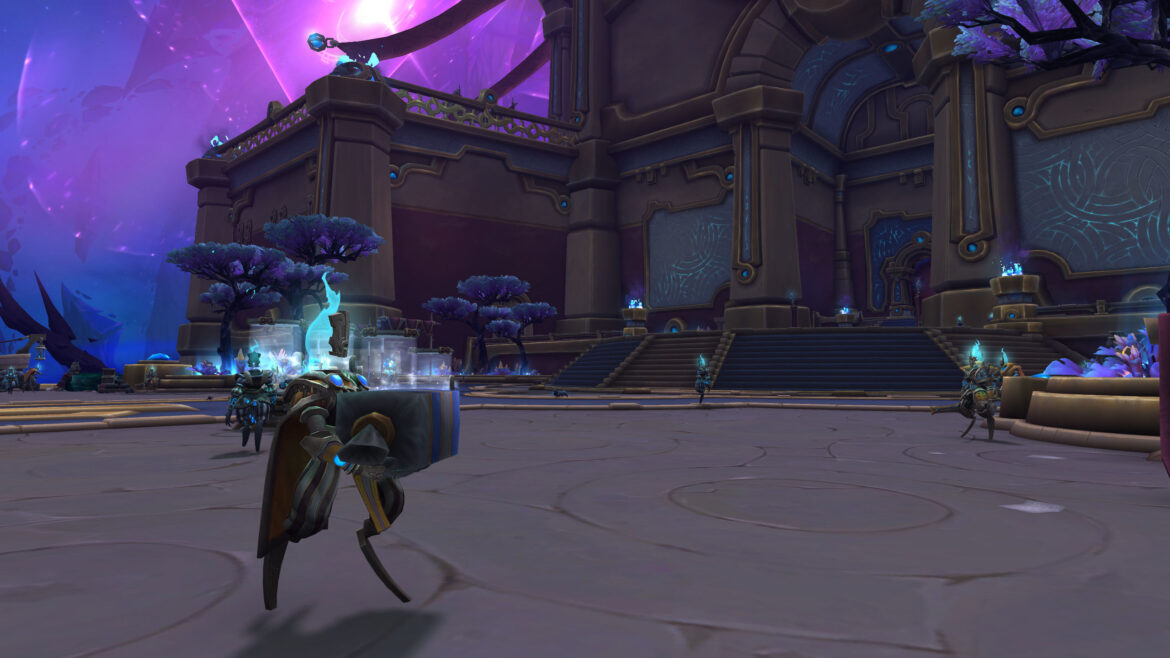
Death in World of Warcraft isn’t the end—it’s a mechanic, a metaphor, and a message. Every time a player dies and returns to life, they experience a quiet reflection of the game’s core philosophy: that endings are temporary, learning is eternal, and rebirth is the heart of adventure. Behind every resurrection lies a design philosophy that blends narrative depth with accessibility.
This article examines how Blizzard’s respawn system intertwines with lore, psychology, and game balance—turning death into one of Warcraft’s most profound storytelling tools.
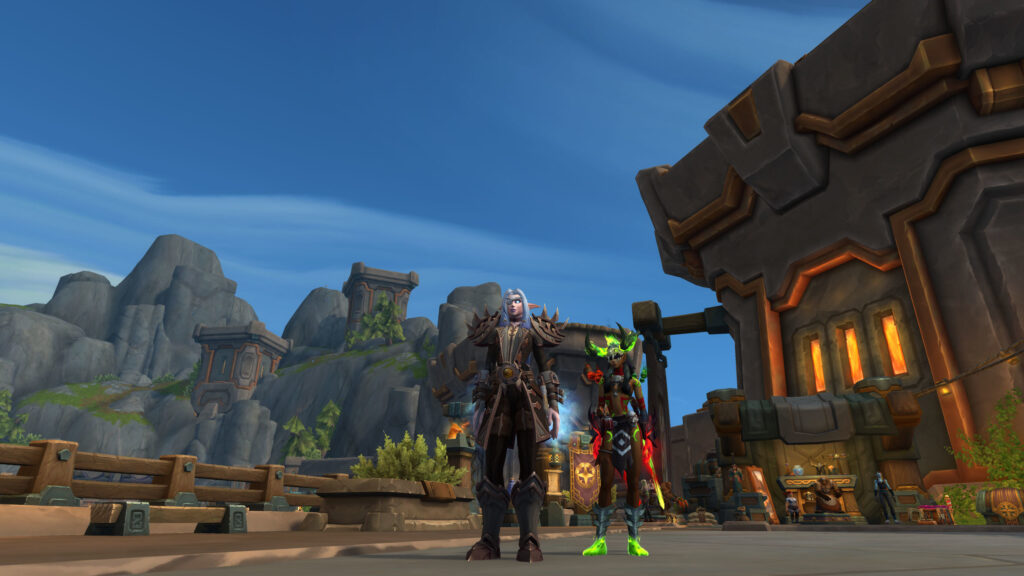
Designing Death Without Finality
In most games, death is punishment. In Warcraft, it’s participation. Players are meant to die—not as failure, but as education. By minimizing permanent loss, Blizzard encourages experimentation. Players can test strategies, explore danger, and push limits without fear of irreversible consequence.
Yet this design choice carries narrative weight. Azeroth is a world of constant rebirth—souls, cycles, and reincarnations. The gameplay loop mirrors that cosmology, reinforcing a theme where defeat fuels understanding rather than despair.
The Lore of the Spirit Healer
When players die, they meet the Spirit Healer—a spectral being that embodies transition between worlds. Her serene demeanor contrasts the chaos of battle, suggesting that death in Azeroth isn’t evil—it’s inevitable. Players “resurrect” not through magic but through will, echoing the world’s metaphysical truth: persistence defines existence.
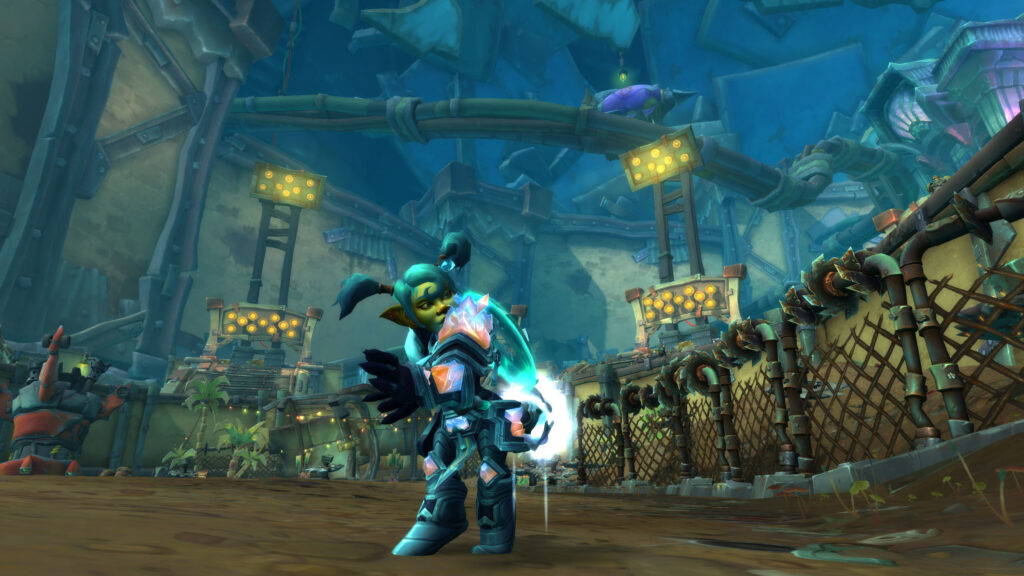
This mechanic subtly reinforces narrative immersion. Every resurrection is a microcosm of Azeroth’s cosmic cycle, a playable sermon on resilience and continuity.
Time as the Currency of Mortality
Respawn timers represent more than cooldowns—they’re reflections of mortality. The wait after death serves as a pause for reflection, a momentary stillness before the cycle begins again. In raids and PvP, timing death and resurrection becomes strategic, turning mortality into part of the skill ceiling.
The table below outlines the layered meanings behind the respawn system’s components:
| Mechanic | Gameplay Role | Philosophical Symbolism |
|---|---|---|
| Corpse Run | Player’s journey to rejoin the body | Reclaiming agency and identity |
| Spirit Healer | Revives player at a cost | Mercy with consequence |
| Timer Delay | Prevents abuse, builds anticipation | Reflection and humility |
| Resurrection Sickness | Temporary weakness | Symbol of rebirth and fragility |
Through these mechanics, Blizzard ensures that death is felt but never feared—it’s a teacher, not a punishment.
The Player’s Emotional Loop
Respawn design creates a rhythm between intensity and calm. In death, tension breaks; in resurrection, purpose renews. This emotional pacing sustains long-term engagement, preventing frustration while preserving stakes. Players experience a miniature hero’s journey with every fall and return.
It’s a cycle of vulnerability and perseverance that resonates with deeper human truths about persistence, recovery, and the meaning of effort.
Rebirth as Storytelling
Death in Warcraft isn’t merely mechanical—it’s woven into the lore itself. From the Forsaken’s tragic self-awareness to the cosmic rebirth of souls in the Shadowlands, the theme of resurrection shapes nearly every major storyline. The game’s systems don’t just support the story—they embody it.
Players, too, become part of this mythology. Every time they resurrect, they re-enact the same eternal pattern that defines Azeroth’s spiritual fabric: life, death, and renewal intertwined in infinite loop.
Beyond Death: Lessons for Game Design
Blizzard’s respawn philosophy bridges narrative and accessibility. By removing the fear of permanent failure, it transforms death into progression. This design ensures that players focus on mastery rather than punishment, exploration rather than hesitation. The result is an ecosystem of learning—where failure is essential to success.
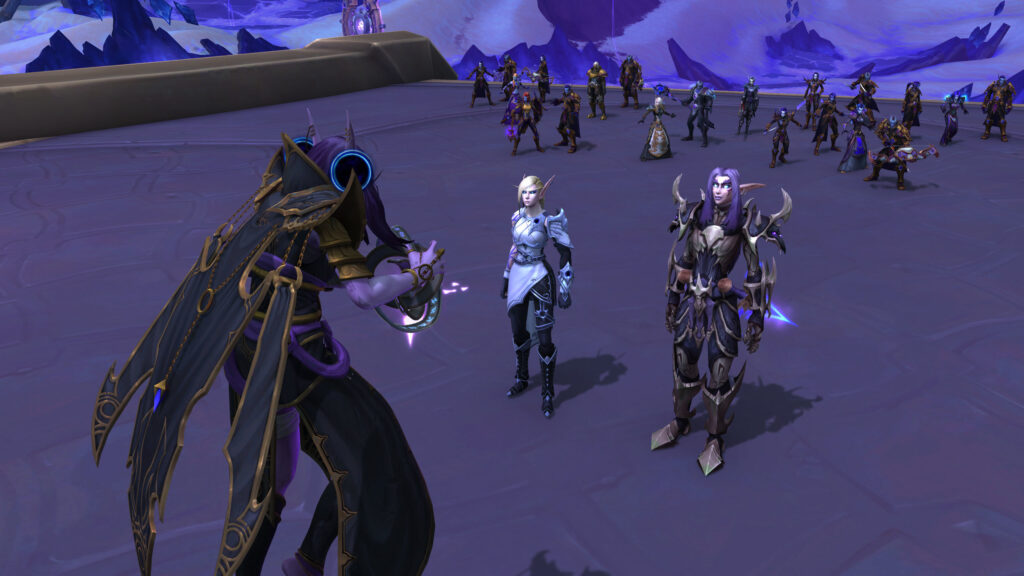
Few MMOs have balanced emotional and mechanical resurrection as elegantly. In Warcraft, dying isn’t the end of the story—it’s how the story learns to begin again.
Conclusion
Warcraft’s respawn system is more than a quality-of-life feature—it’s a philosophical statement. It teaches that resilience defines heroism, that endings are simply pauses between growth, and that death itself can be part of the adventure. Through death, players reconnect with purpose. Through rebirth, they find meaning.
In Azeroth, every fall is temporary—and every resurrection is proof that stories, like souls, are never truly lost.