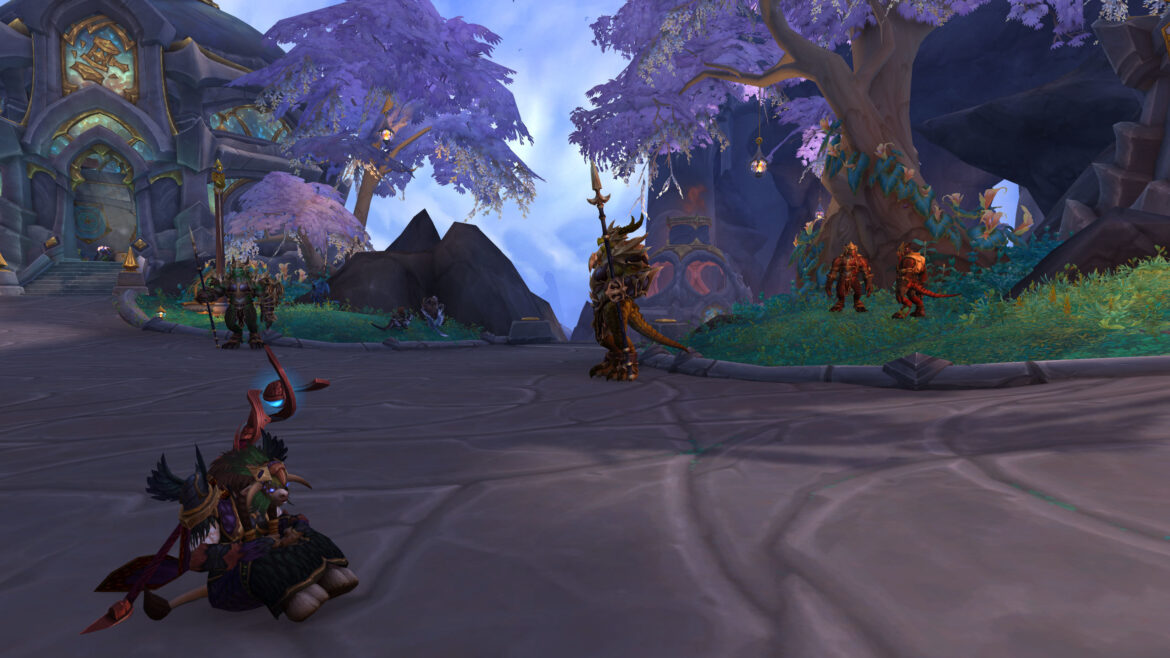
Healers have undergone one of the most dramatic transformations in the game’s history. Once viewed as reactive support roles defined by passive spell rotations and constant mana management, healers now function as tactical leaders who shape the flow of battle. Their tools, responsibilities, and decision-making depth have grown with each expansion, turning healing into an active discipline that rewards awareness, optimization, and adaptability.
This article explores how healers evolved from quiet caretakers to frontline strategists who define survival, pacing, and group coordination.
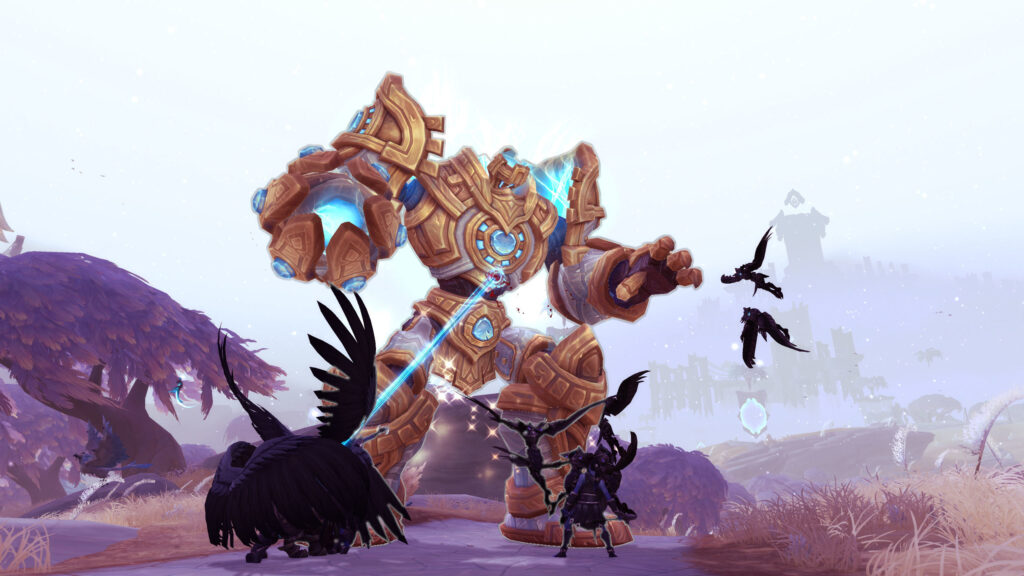
The Early Era: Reactive Healing and Resource Tension
The earliest expansions defined healers almost entirely through reactive gameplay. Their purpose was clear: keep the group alive by responding to incoming damage. Every spell cast mattered due to strict mana limitations, and efficiency was king. Healing was quieter but more stressful, shaped by the constant fear of running dry mid-encounter. This era established healing as a discipline of endurance and intuition.
Healers were guardians of survival, not commanders of strategy.
The Rise of Cooldown Strategy and Role Identity
As the game matured, healing responsibilities expanded. Cooldowns became central to gameplay, encouraging healers to coordinate defensive bursts across the group. Each class gained unique tools — barriers, totems, wings, tides, and more — giving healers distinct identities. They evolved from individual responders to team-wide tacticians who affected the outcome of entire phases.
To show how role expectations changed over time, here is a brief comparison:
| Era | Healing Identity | Primary Focus |
|---|---|---|
| Classic | Reactive sustain | Mana control and survival |
| Burning Crusade / Wrath | Specialization clarity | Assigned healing roles |
| Mists / Warlords | Cooldown strategy | Phase planning and timing |
| Modern expansions | Tactical leadership | Support, damage, mobility, utility |
Modern Healing: Mobility, Damage, and Agency
In modern expansions, healers are no longer anchored to the backline. They contribute to damage phases, handle mechanics that require precision, and often lead the group through high-intensity encounters. Mobility tools let them weave through danger, while hybrid abilities allow them to support both offensively and defensively. Today’s healer juggles far more than health bars — they manage positioning, pacing, and group sustainability.
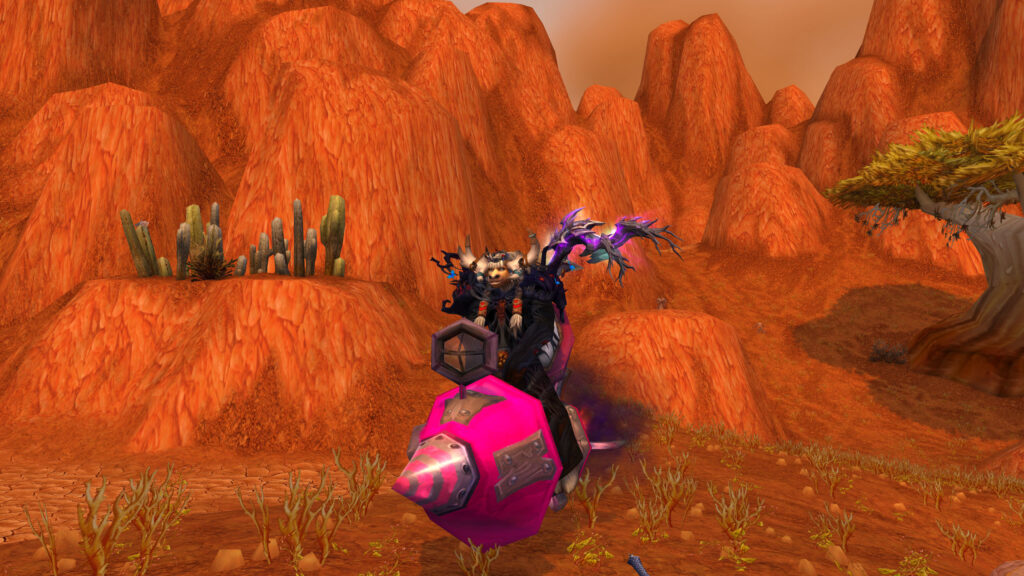
Healing became active, expressive, and central to raid identity.
The Psychological Weight of Healing
Healing carries emotional complexity. Mistakes feel personal, successes feel earned, and every encounter becomes a test of resilience under pressure. Healers often serve as the emotional anchor of a raid group, directing cooldown rotations, stabilizing crises, and adapting on the fly. This internal responsibility contributes to the role’s enduring appeal — mastery feels deeply satisfying.
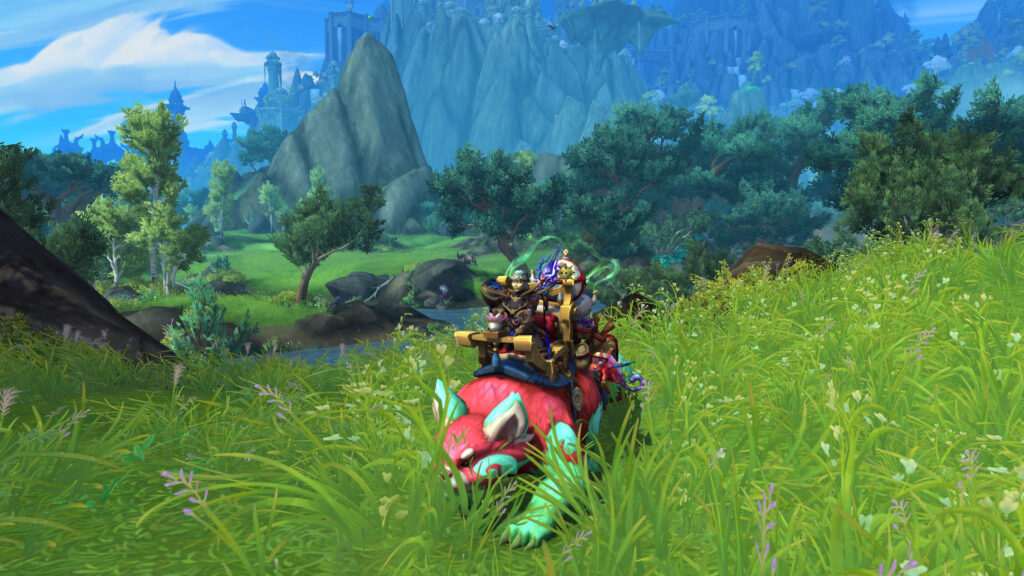
Healing is as much mental discipline as mechanical skill.
What the Future Holds
The trajectory of healing suggests continued expansion of agency, expression, and strategic depth. Future systems may explore more collaborative mechanics, hybrid contributions, or dynamic responses to environmental threats. Yet one truth remains: healers will remain the heartbeat of every encounter, shaping team survival through insight, intuition, and adaptability.
The evolution continues, but the core purpose endures — protect, preserve, and guide.
Conclusion
Healers evolved from passive support roles into tactical leaders who command the rhythm of combat. Through increased mobility, deeper cooldown strategy, hybrid gameplay, and emotional responsibility, modern healing has become one of the most demanding and rewarding roles. The journey from mana-starved responders to frontline tacticians reflects the broader evolution of combat itself — more dynamic, more expressive, and more essential than ever.