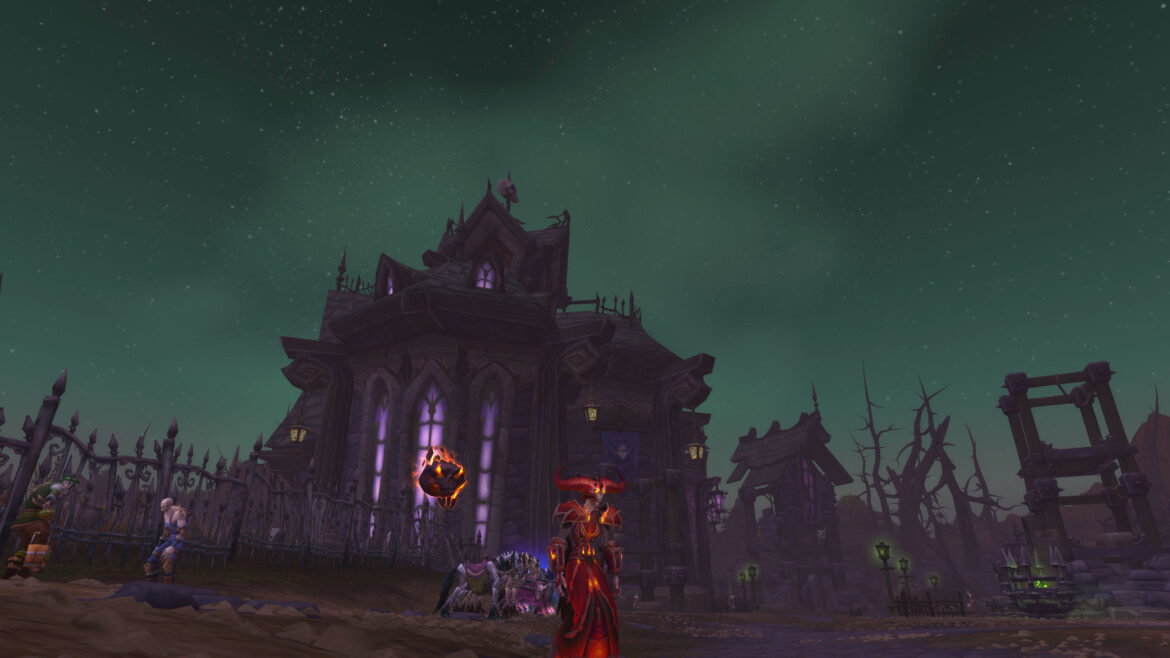
The transition from Classic World of Warcraft (WoW) to the Retail client represents one of the most significant evolutions in gaming history, notably in the realm of MMORPGs. Since its original launch in 2004, WoW has undergone countless updates, enhancements, and changes, which have not only affected gameplay mechanics but also the underlying graphics engine. This guide explores this evolution, focusing on how Blizzard Entertainment managed to maintain the nostalgic charm of the original graphics while integrating modern technology to enhance gameplay and user experience in the retail version.
The Original Engine: A Technical Overview
The original WoW engine was built on a modified version of the 3D engine created for Warcraft III, which was adequate for its time but limited in capabilities. It utilized a rendering method known as “billboarding” for characters and NPCs, which created a flat, 2D appearance from certain angles. This engine supported basic interactions, quest tracking, and a relatively simple physics model, allowing players to immerse themselves in the vibrant world of Azeroth. However, it was soon apparent that the limitations of the engine would hinder future expansions and gameplay features, prompting Blizzard to innovate. The necessity for improvements became especially pronounced with the release of expansions like The Burning Crusade and Wrath of the Lich King, as new systems like flying mounts and complex raid mechanics required a more robust graphical foundation.
The Transition to Modern Graphics
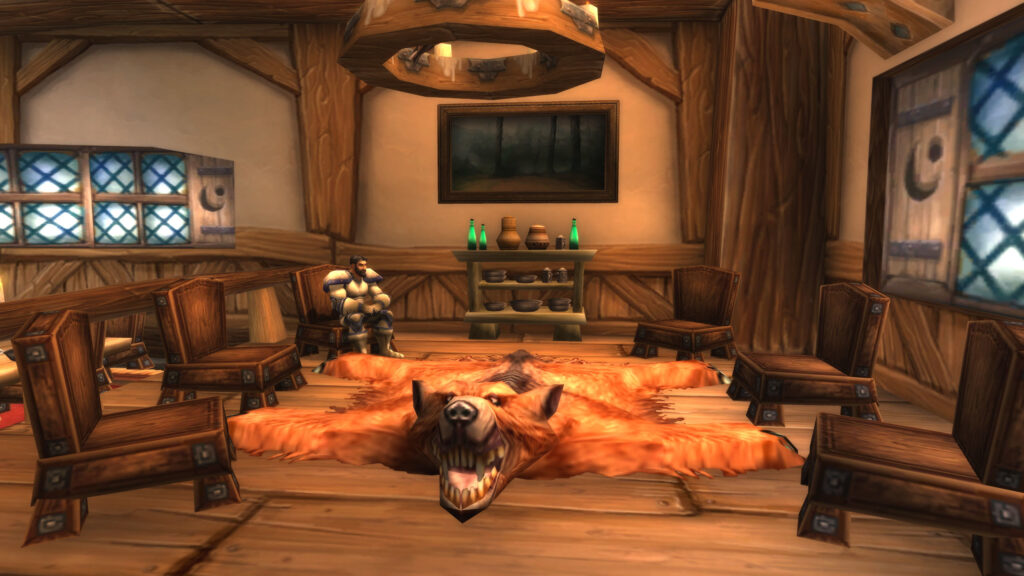
The retail version of WoW embraced a completely overhauled graphical engine that included advanced lighting, shading, and environmental effects. This transition was not merely cosmetic; it allowed for significant enhancements in gameplay mechanics, including the introduction of dynamic weather systems and improved particle effects that added depth to the user experience. In maintaining the old graphics for Classic WoW, Blizzard was faced with the challenge of balancing nostalgia with modernity. As such, the company opted for a dual approach, where the retail client could utilize improved graphics while retaining the original aesthetic for players who preferred the classic experience. This balance ensured that players who enjoyed the original graphics could still engage in the latest content without sacrificing their nostalgic connection to the game.
Preserving the Classic Aesthetic
One of the key features of the Classic WoW experience is its unique art style, which many players hold dear. To preserve this aesthetic while upgrading the engine, Blizzard introduced a series of graphical settings that allow players to toggle between the old and new graphics. This included enhancements such as updated character models while maintaining the simplistic designs of the original. The goal was to evoke the same feelings of wonder and adventure that players experienced when they first entered Azeroth without alienating long-time fans. The preservation of the classic aesthetic was crucial in the game’s revival, allowing players to relive their fond memories while still engaging with modern gameplay features.
Technical Challenges and Solutions
Transitioning to a modern engine while retaining Classic WoW’s old graphics presented a myriad of technical challenges. One of the most significant issues was ensuring that the new engine could support the vast array of assets and data from the original game without causing performance issues, especially during large-scale raids or PvP battles. Blizzard utilized a combination of optimization techniques, including asset streaming and improved load balancing to manage server strain and maintain a smooth gaming experience. Furthermore, they implemented a robust scaling system to ensure players with varying hardware could enjoy the game without sacrificing performance. The following table summarizes some of the critical optimization techniques used in the transition:
| Technique | Description |
|---|---|
| Asset Streaming | Loading game assets dynamically to reduce initial load times and memory usage. |
| Load Balancing | Distributing server load evenly to prevent lag during peak times. |
| Dynamic Resolution Scaling | Adjusting game resolution based on performance metrics to maintain frame rates. |
Conclusion: The Future of WoW
The evolution of the WoW engine from Classic to Retail signifies a remarkable journey in game development, reflecting the industry’s commitment to innovation while honoring the past. As Blizzard continues to update the game, the challenge remains to cater to both new players and veterans who cherish the original experience. Looking ahead, players can anticipate further enhancements that will likely incorporate emerging technologies such as virtual reality and augmented reality, potentially transforming how they engage with the game world. In summary, the transition highlights a delicate balance between nostalgia and progress, allowing the community to thrive in the ever-evolving landscape of World of Warcraft.